Set a total before choosing a machine
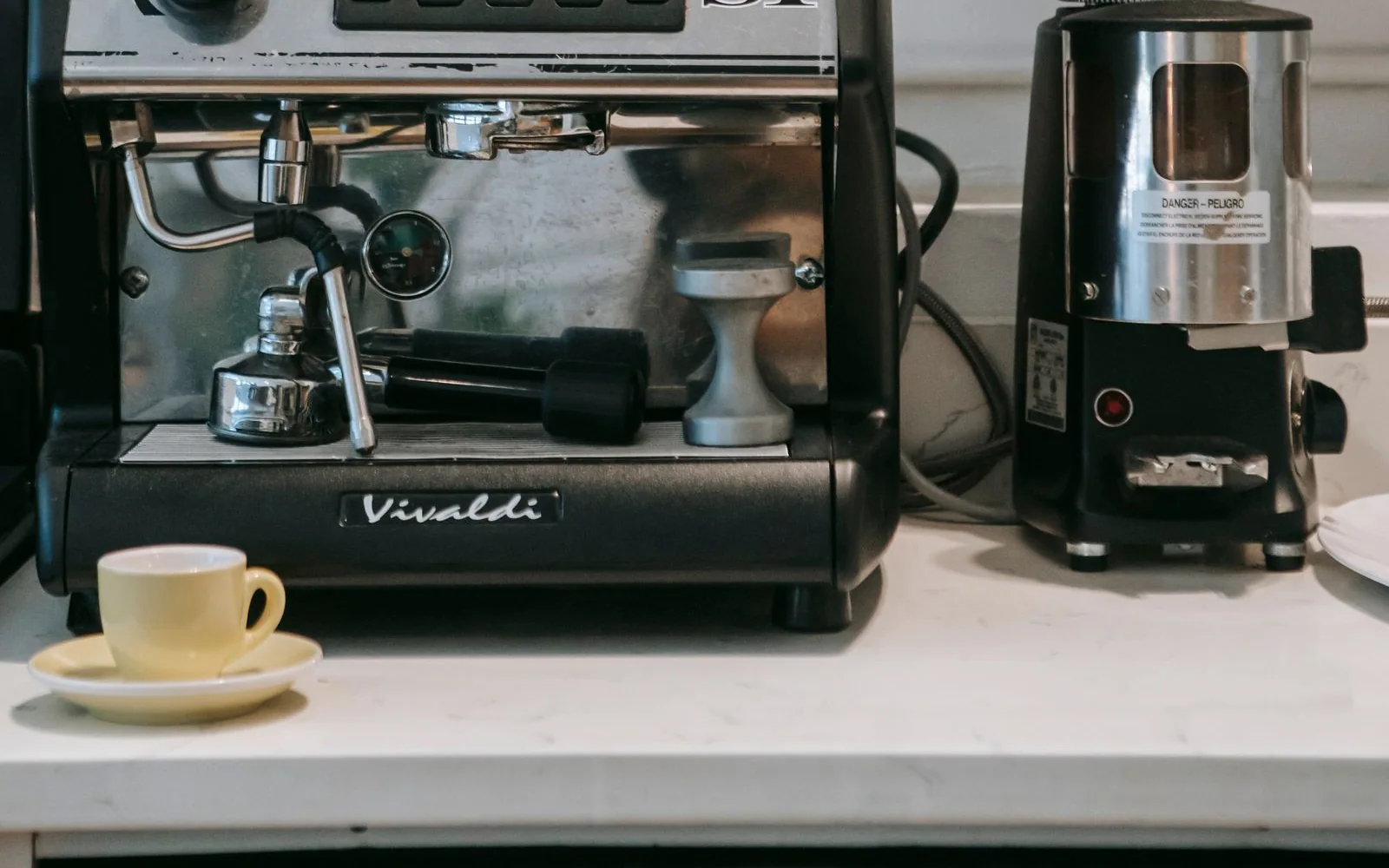
A $300 machine is not necessarily a $300 espresso setup. Decide on the maximum you can spend on the station, then divide it into the items you need immediately and the items you can postpone. This prevents a familiar outcome: buying the most attractive machine and discovering that there is no money left for the equipment needed to use it the way you intended.
This is a budgeting framework. The amounts below are example allocations, not a claim about current retailer prices or a recommendation to buy a particular bundle.
Choose the coffee path first
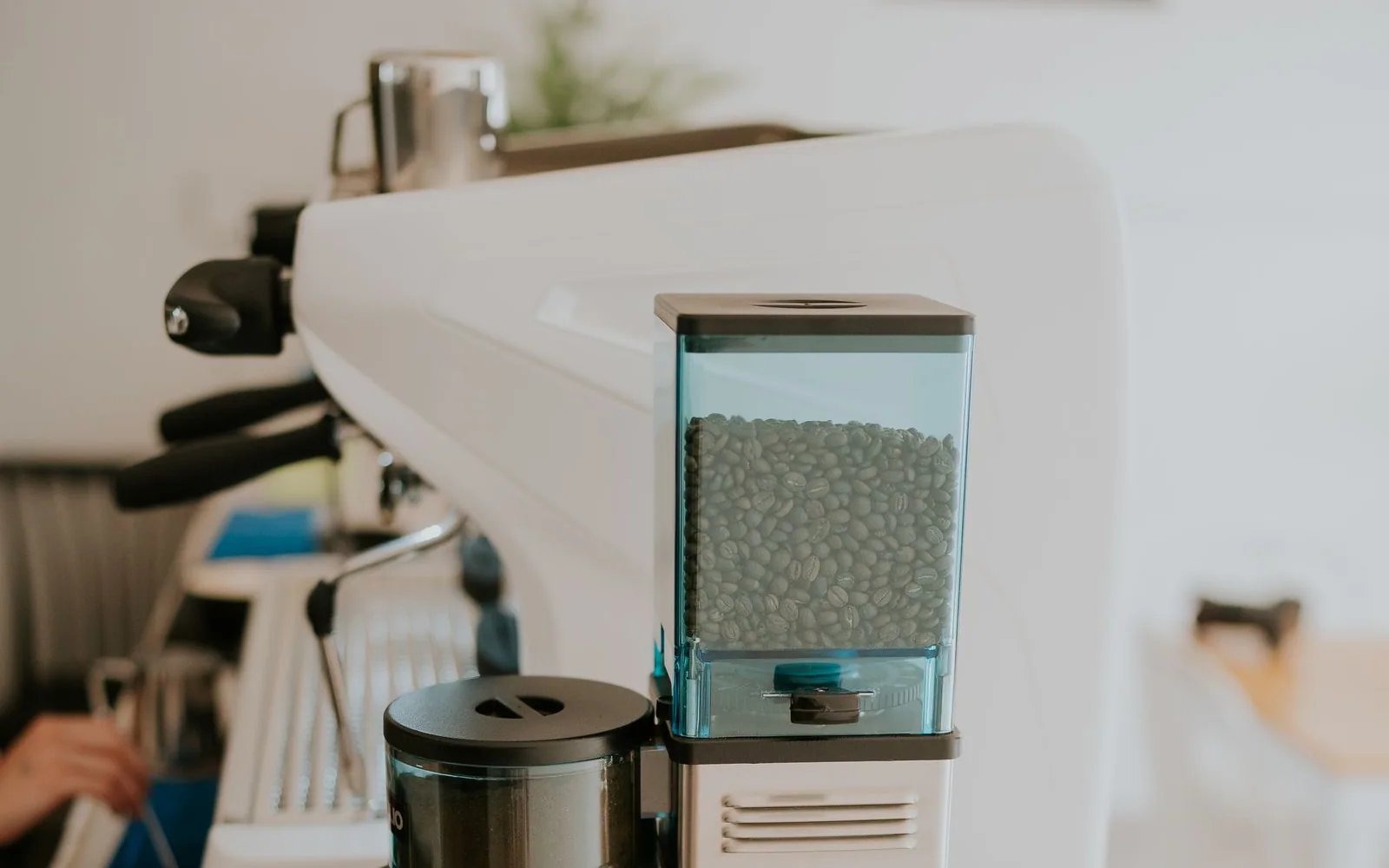
The first decision is whether you intend to use ground coffee with a compatible basket or grind beans yourself. Check the basket options in the machine’s manual. If you want to adjust the coffee recipe with freshly ground beans, budget for a grinder designed for espresso adjustment rather than assuming any electric grinder will do.
The Encore ESP manual illustrates why model names matter: its adjustment system separates espresso and filter ranges. The ordinary Encore, Encore ESP and Encore ESP Pro should not be treated as interchangeable products when calculating a setup.
For the next part of this decision, read How to choose a grinder for a beginner espresso setup.
Write an essentials list
Begin with the chosen machine, any required grinder, coffee, and the accessories absent from the exact box you are buying. Consider how you will measure coffee, handle milk if needed, and clean the station. Use the included equipment before ordering a replacement merely because it looks more substantial.
A small scale can serve more than one kitchen purpose, but verify clearance and suitability before buying. A pitcher is useful for milk drinks; it is not an automatic requirement for someone drinking only espresso. Your list should reflect your drinks, not someone else’s photograph.
Before you settle on a purchase, see Which espresso accessories should a beginner buy first?.
Keep ownership costs visible
Add a separate row for cleaning supplies, filters where specified, and recurring coffee purchases. Do not turn a speculative annual estimate into a promise of savings. Keep the calculation simple: enter your actual consumption and current prices, then update it after the first month.
For example, if your total cap were $400, you might decide that any combination of machine, grinder and essentials exceeding that figure is out of consideration. That could mean buying a less expensive machine, postponing the purchase, or starting with another brewing method. A budget is useful precisely because it rules things out.
Delay upgrades until they solve a problem
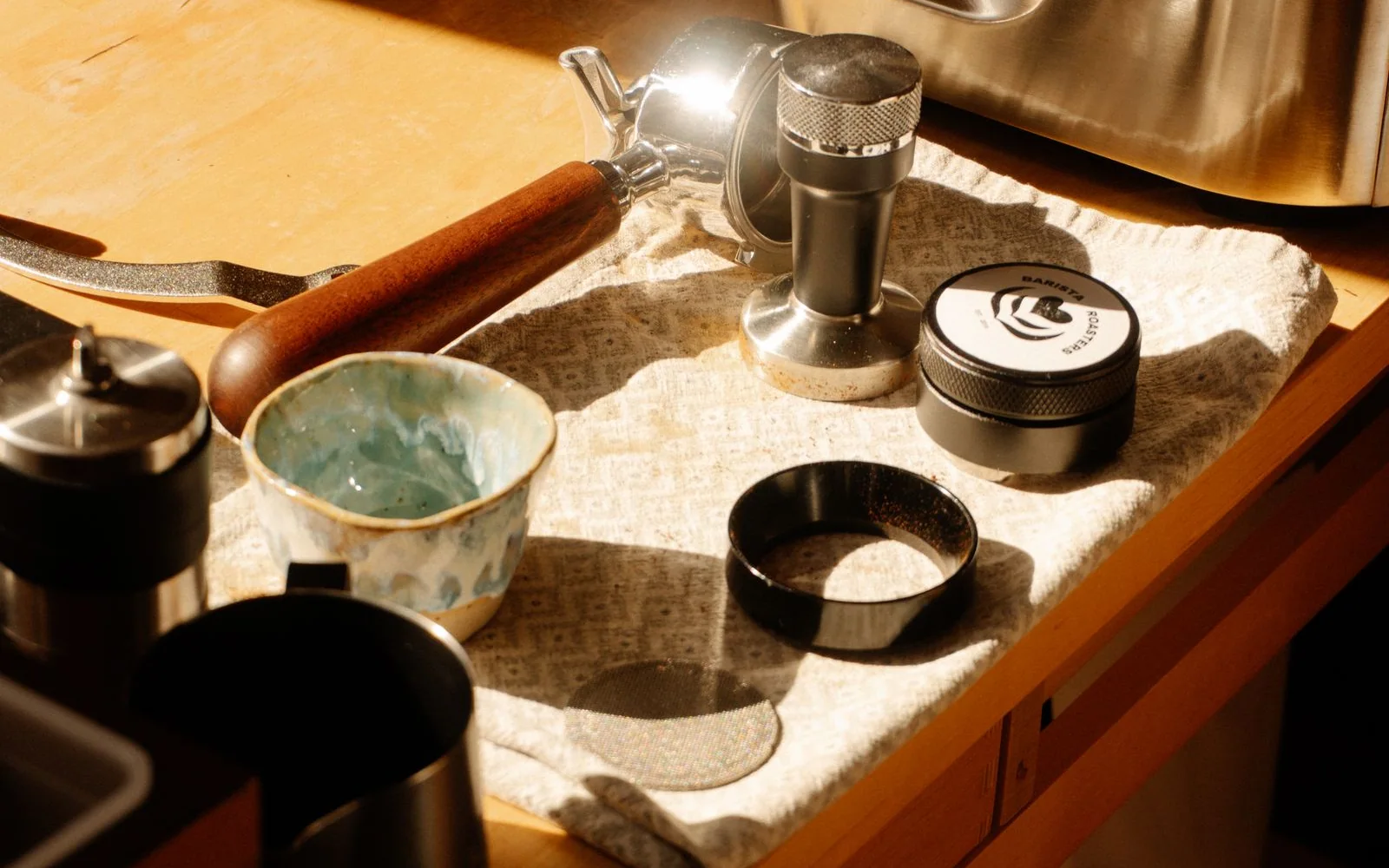
Create a second list headed “later.” Put premium tampers, bottomless portafilters, organizers and extra cups there unless you have a specific reason to need them now. After using the setup, record the problem each proposed upgrade would solve. Reject purchases whose only justification is that many other people own one.
Before paying, compare your final basket with the original total. Check the US model number and what is included, keep a reserve for coffee and routine care, and make sure the setup fits the counter as well as the budget.
A worked $400 ceiling
Imagine you have $400 available for everything and the machine in your basket is $300 before tax. Write $100 in a “remaining” row, then subtract the actual cost of any missing essentials. If your intended grinder does not fit that remainder, the machine has failed the complete-budget test even though its own price fits. You now have three clear choices: choose a different machine, use a compatible grinder-free starting arrangement, or wait and increase the total.
Do that calculation before reading upgrade recommendations. Keep the machine subtotal, grinder subtotal and essentials subtotal visible. Treat money for future coffee as a separate recurring expense, not an accessory you can forget. This is a hypothetical budget exercise; it is not a claim that a particular machine-and-grinder pair is available for $400.
Check the exact models
Uncommissioned links to the manufacturer’s product pages. Confirm the selected model, current price and bundle before ordering.
Manual controls, milk frother and separate grinder required.
Single- and dual-wall baskets; manual steam wand.
Settings 1–20 target espresso; 21–40 cover filter methods.
Sources & further reading
Manufacturer information and reference material consulted for this guide. Model specifications and care instructions can change; check your exact model’s manual.