Protect the kitchen’s main job
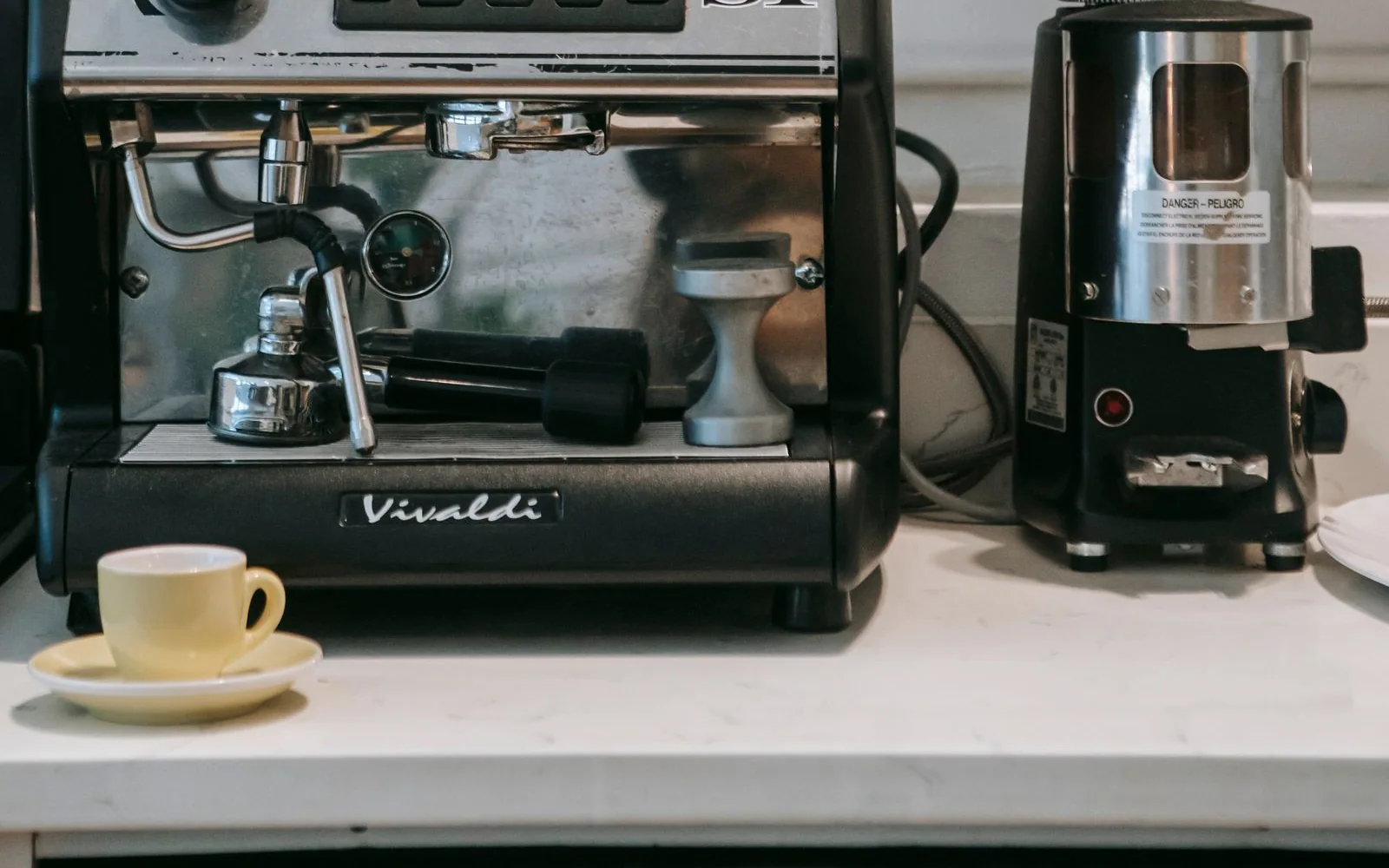
An espresso corner should make coffee easier without making meals harder. Start by identifying the worktop you use for chopping, serving and washing up. Avoid taking over that area just because it photographs well. Look for a station that you can operate while someone else gets breakfast ready.
This layout method works before purchasing equipment or when rearranging a station you own. It is an organization exercise, so it does not depend on a particular brand or promise a universal number of inches of clearance.
Draw the route from water to sink
Mark where you fill the tank, store beans, prepare coffee and dispose of grounds. Then trace the return route for the used cup, portafilter and any milk pitcher. Every crossing of a busy walkway is a possible inconvenience. Try to make the routine simple without crowding electrical equipment beside water.
Use the machine’s instructions for placement and electrical precautions. Model-specific requirements take priority over an attractive layout. Check overhead access and the movement needed to remove the tank or tray before deciding that an appliance can live permanently beneath a cabinet.
For the next part of this decision, read Buying an espresso machine for a small kitchen: measure the working space.
Keep frequently used items within reach
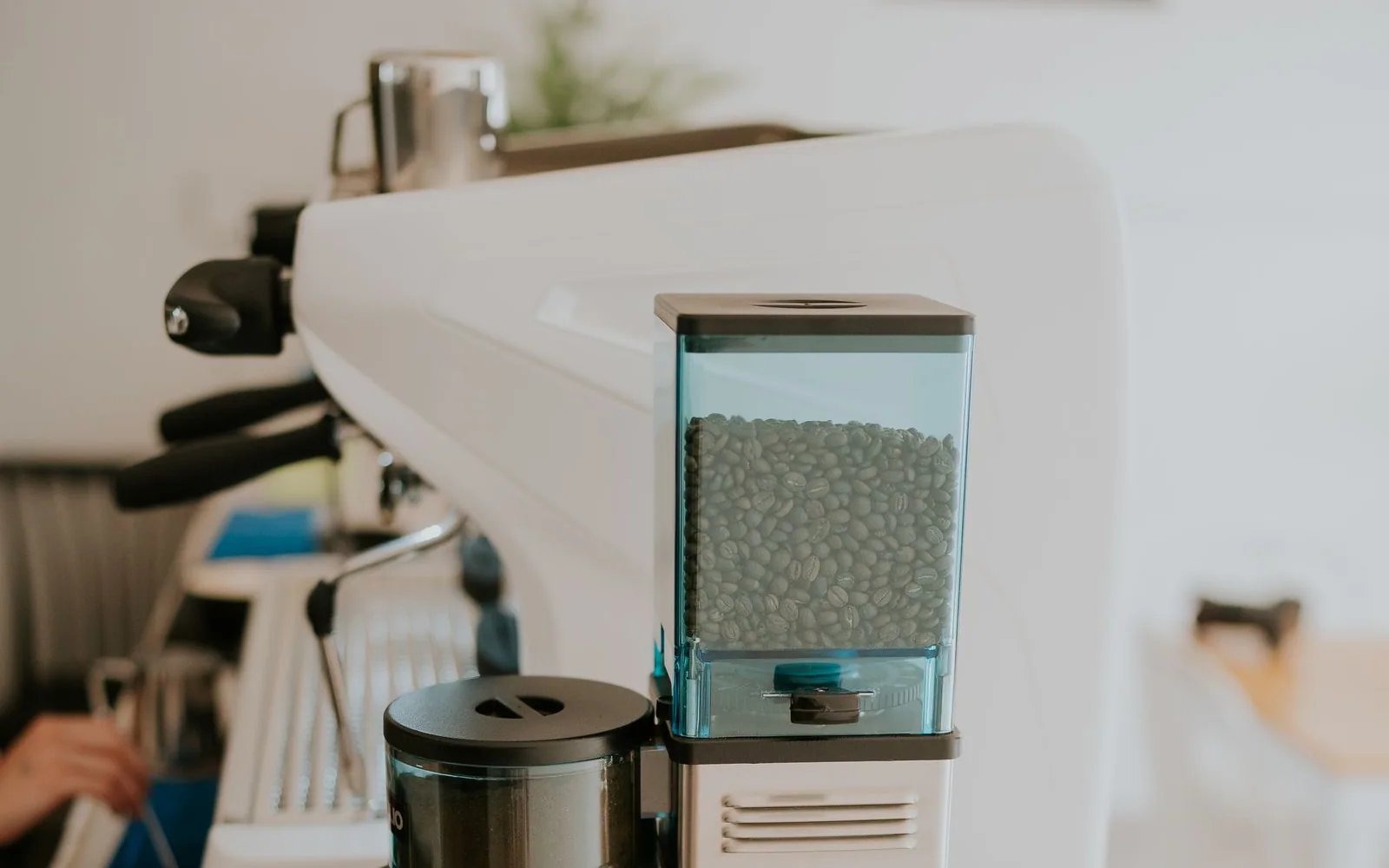
Place daily tools in a small working zone and occasional cleaning supplies somewhere separate but accessible. If you use a grinder, allow a clear landing place for the dosing cup or portafilter. Do not pack equipment so tightly that adjusting a setting requires moving the machine.
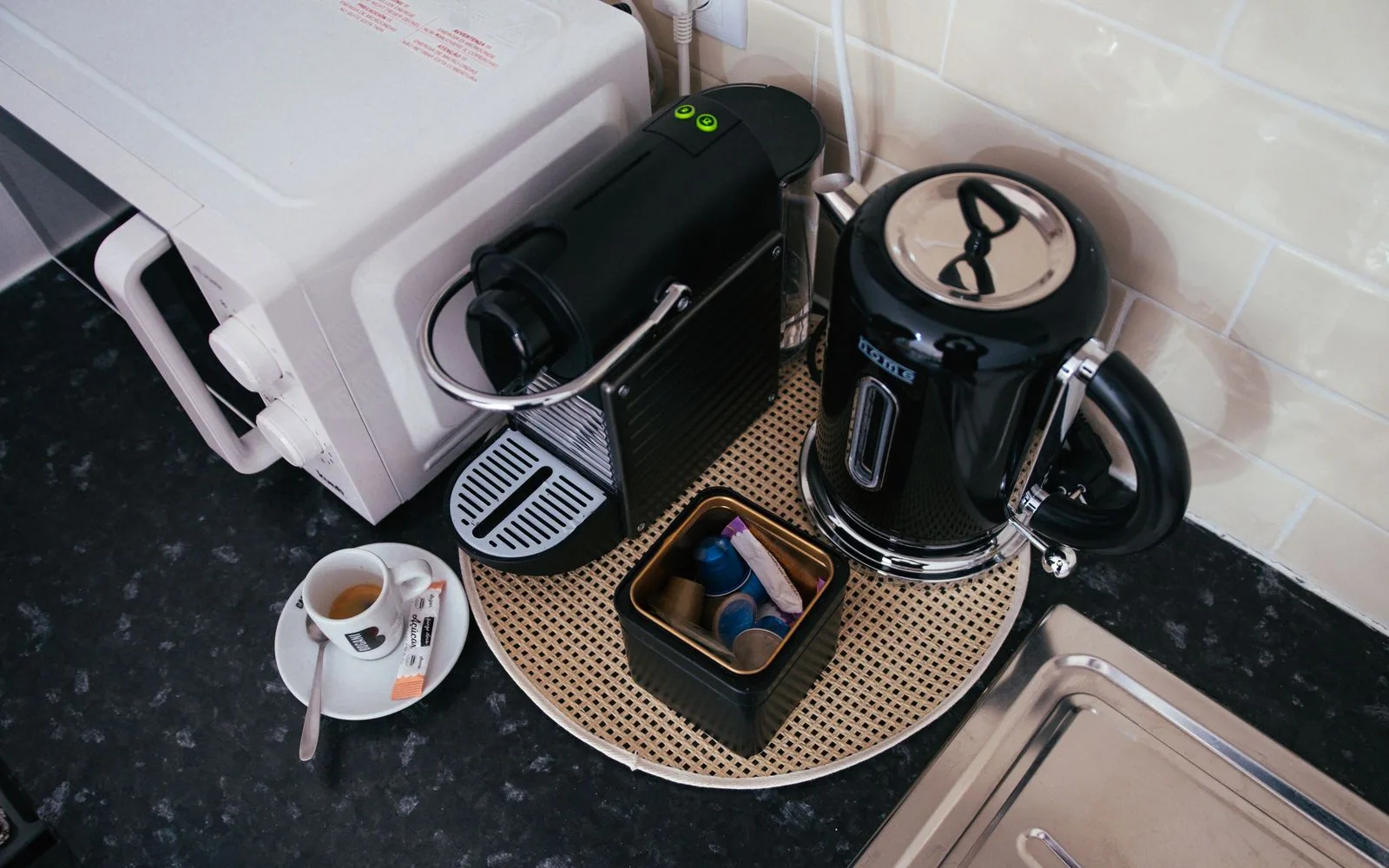
A tray can help contain small accessories, but measure its complete footprint and confirm that it does not interfere with airflow, stability or the machine’s feet. Think of organizers as removable experiments rather than another permanent purchase at the beginning.
Before you settle on a purchase, see How to choose a grinder for a beginner espresso setup.
Plan for the state after brewing
A station looks different after a drink than it does in a retailer’s image. Decide where damp cloths dry and where cleaned parts rest. Do not rely on the same small patch of counter for a hot pitcher, full mug and wet tray at once.
For a shared kitchen, agree on a reset standard: clear the prep space, put tools back and leave the next person able to start. That standard may matter more to long-term satisfaction than a minor difference between two compact machine bodies.
Try the layout for a normal weekday
Mark proposed equipment footprints with paper and use the kitchen for a day. Make breakfast, prepare lunch and unload the dishwasher around them. If you own the equipment, make one small change at a time and observe the morning routine.
Keep the position that works on an ordinary busy day. If space remains tight, reduce the number of accessories before buying new storage. A good small station is easy to use, easy to clean and easy to share; it does not need to occupy a dedicated coffee bar.
Sources & further reading
Manufacturer information and reference material consulted for this guide. Model specifications and care instructions can change; check your exact model’s manual.