Give each change a clear purpose
When a shot disappoints, it is tempting to change the grind, coffee amount, tamp and machine controls together. The next result may be better, but you will not know why. A more useful beginner process is to hold a simple recipe steady and change one variable at a time.
This is a learning framework rather than a universal espresso recipe. Use your machine’s basket capacity and the manufacturer’s operating instructions. Stop and consult support if the machine behaves abnormally instead of treating every fault as a grind problem.
Write a baseline you can repeat
Record the coffee, basket, amount of ground coffee, amount of espresso produced and an approximate time. Add a short taste note in ordinary words. “Too sharp for me” is more useful than copying a tasting term you do not understand. Use the same method of measuring each time so the notes can be compared.
Do not treat a number from a video as a pass mark for every coffee. Your aim is a drink you enjoy from a process you can repeat.
For the next part of this decision, read How to choose a grinder for a beginner espresso setup.
Make a small adjustment and observe
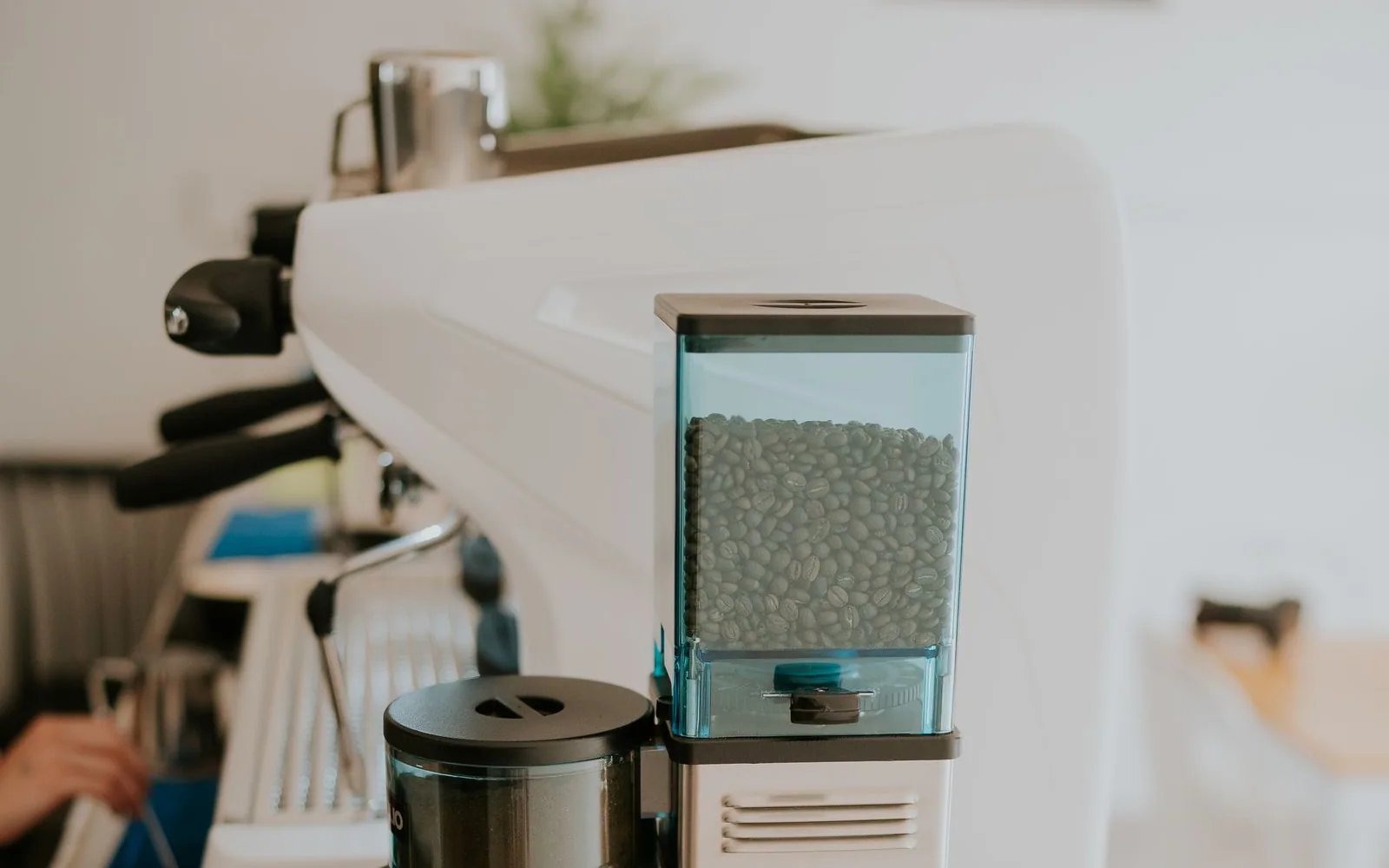
Baratza’s dialing-in guidance recommends working through grinder adjustments gradually, using the instructions for the particular grinder. Follow any requirement about when the grinder should be running during adjustment. A setting from another owner is a starting suggestion, not a calibration certificate for your equipment.
Keep the amount of coffee and your other chosen recipe variables steady for the comparison. Write down the changed setting and the result. If you alter several things because the first attempt went badly, restart the log with a new baseline rather than pretending it was a controlled comparison.
Before you settle on a purchase, see Which espresso accessories should a beginner buy first?.
Separate preparation from equipment faults
Check the ordinary setup before buying a new part: correct basket, properly assembled portafilter, sufficient water and routine cleaning completed according to the manual. If you have changed coffees, say so in the log. A new bag may require you to reconsider the earlier setting.
Avoid immediately attempting internal grinder calibration or machine modification. First work through the normal operating range and the manufacturer’s troubleshooting guidance. Contact support when a problem persists, especially if it involves leaks, unusual sounds or a machine that cannot operate normally.
Keep the notebook short enough to use
A row with the date, coffee, recipe, adjustment and one sentence on taste is enough. Review a few rows before changing the setup again. You are looking for a direction of improvement, not trying to produce a laboratory report before breakfast.
Once you find a repeatable drink you like, save the recipe and enjoy it. You do not have to keep adjusting indefinitely. The point of dialing in is to make your routine more reliable, not to turn every morning into an endless equipment experiment.
A useful note versus an unhelpful note
An unhelpful record says “bad shot, changed everything.” A useful record says which coffee and basket you used, the measured input and output, the grind setting, then a plain taste observation. Your next line should identify the single deliberate change. The numbers can be your own chosen recipe within the equipment’s guidance; they do not need to imitate somebody else’s ideal shot.
If the second result is less enjoyable, you have still learned something because you can connect it to the change. Return to the earlier baseline or try another small adjustment. Keep unrelated purchases out of the experiment. A different tamper, basket and coffee bag introduced together make it much harder to understand the result, even when the drink happens to improve.
Sources & further reading
Manufacturer information and reference material consulted for this guide. Model specifications and care instructions can change; check your exact model’s manual.